

Thought Leadership: Redefining Hotel F&B Branding for Dubai’s Experience-Driven Guests
Activate hotel F&B branding Dubai with local anchors, chef partnerships and sustainability to attract experience-driven guests.
Hotel Branding & Positioning
Thought Leadership: Redefining Hotel F&B Branding for Dubai’s Experience-Driven Guests — Evolving Consumer Preferences and Local Brand Dominance
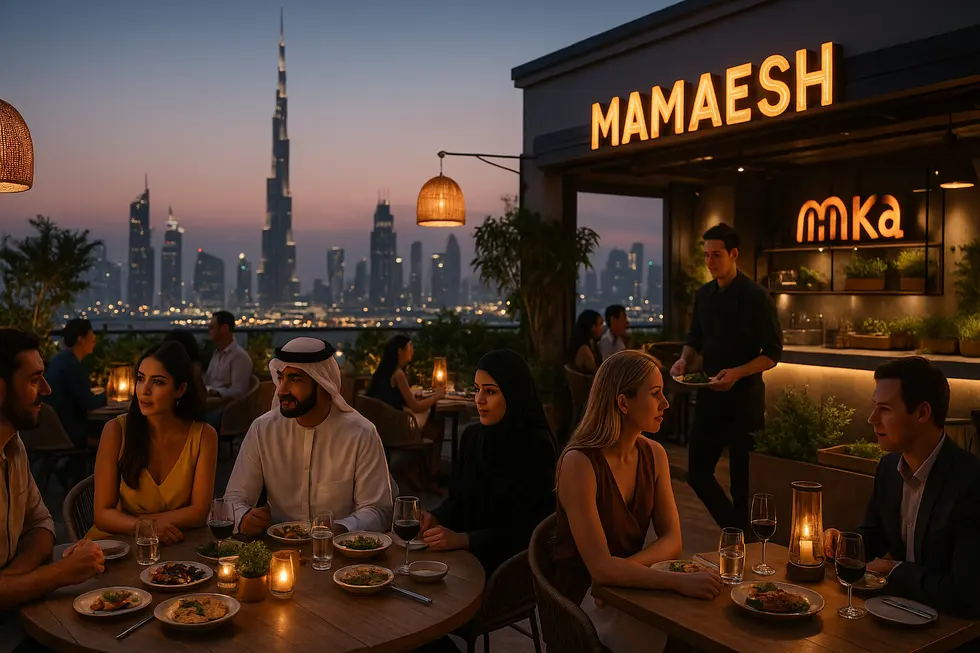
1. Digital Craft: AI, Personalisation and Seamless Platforms that Anchor Local F&B in Dubai Hotels
Digital presence is the backbone of modern F&B branding. From discovery to booking, hotels must design a mobile-first journey that converts curiosity into covers. Search visibility, targeted social storytelling and review platforms feed initial demand. Frictionless online reservations, clear deposits and integrated loyalty pathways protect revenue while creating repeatable experiences.
Beyond transactions, data and AI personalise offers at scale. Dietary preferences, past visits and realtime context enable bespoke menus and timed promotions that feel local and exclusive. Immersive content—virtual tours, short-form local narratives and event-driven campaigns—turn residents and visitors into ambassadors. Public-private digital programmes and virtual trade platforms amplify local founders and help reskill teams for tech-enabled kitchens and service flows. Automation raises consistency without replacing hospitality; human-led touch remains central to premium narratives.
Measured against dwell time, return visits and spend, these strategies cement local-brand dominance. For practical frameworks on hyper-personalisation in the Dubai market see hyper personalisation in Dubai restaurants.
https://gulfbusiness.com/dubai-sets-out-2026-tourism-growth-plan/
2. Economic Returns and Market Dynamics from Experience-Led, Local F&B
Hotels win commercially when F&B becomes a strategic asset rather than a cost centre. Embedding locally authentic, chef-led concepts lifts average spend, lengthens guest dwell time, and supports premium room rates. Dubai’s move away from generic chains toward cultural, experience-driven venues creates high-margin touchpoints that draw residents and visitors alike. Branded residences and mixed-use projects benefit most, where dining functions as connective tissue for community and lifestyle value. Effective integrations transform outlets into media magnets and loyalty engines, but execution is critical; cosmetic partnerships or fleeting virals erode equity. Operators should prioritise scarcity, resident-exclusive offers, and visible sustainability to protect brand value and encourage repeat visits. Local players scale faster and more flexibly, capturing market share as viral food fads fade. Strategic owners will rebalance tenancy mixes to include authentic anchors that stabilise footfall and lift asset returns. For guidance on turning F&B into a loyalty driver, see this analysis on F&B as a loyalty engine: https://www.markus-mensch.ae/blog/fnb-build-guest-loyalty
External reference: https://foodbusinessgulf.com/news/experts-outline-a-promising-future-for-the-gcc-hospitality-sector-as-the-uae-market-is-forecasted-to-exceed-us7-billion-by-2026/
3. From Community Tables to Global Stage: Local F&B as Dubai's Cultural Connector for Experience-Driven Guests
Dubai’s hotel F&B branding now sits at the crossroads of society, culture and geopolitics, where local culinary concepts anchor meaningful guest experiences. Residents and visitors prefer culturally resonant narratives over templated menus, so hotels embed home-grown operators as anchors to drive footfall, loyalty and dwell time. Dining has become the connective tissue in mixed-use developments, linking residences, retail and social life to create a true sense of place. Thought leadership treats F&B as cultural diplomacy, amplifying soft power while attracting tourists and investors. Authenticity, sustainability and digital-first execution prevent partnership fatigue and fleeting viral trends. Hotels that prioritise chef-led scarcity, community engagement and agile marketing capture premium pricing and repeat visits. Regional events and trade shows magnify these effects, exposing local concepts to global audiences. Digital strategies translate to measurable engagement lifts, turning social traction into venue visits. For practical frameworks and case approaches, see Dubai hotels elevate F&B branding. Read more: https://www.cushwake.ae/en/thoughtleadership/beyond-global-chains-how-local-fb-brands-are-reshaping-dubais-retail-market
Digital-First F&B: Technological Strategies to Elevate Dubai Hotel Dining
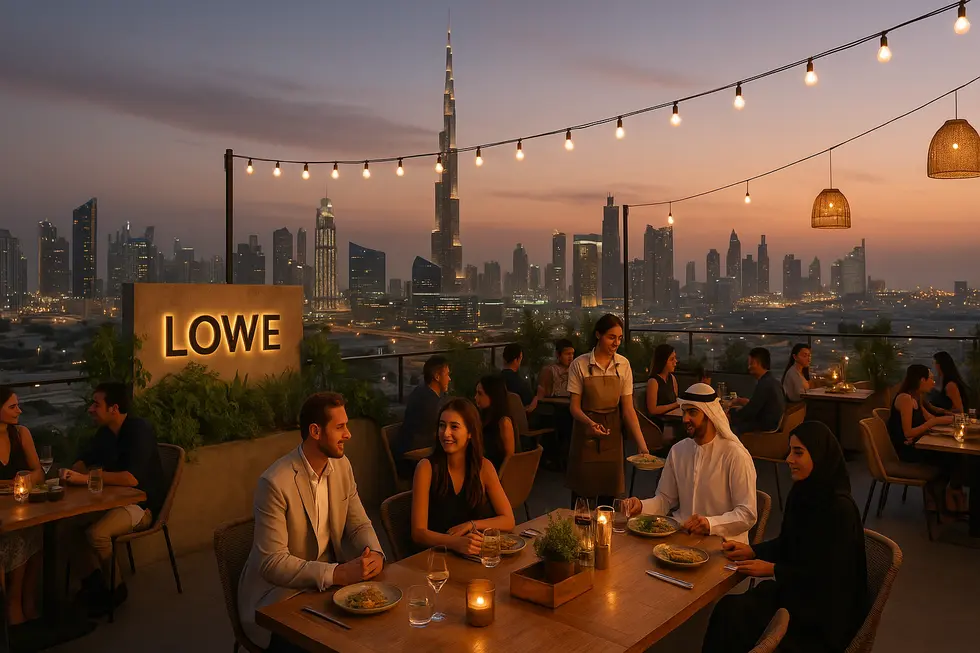
1. Immersive Tech and Digital Storytelling: Reframing Hotel F&B for Experience-Driven Guests
Immersive tech should amplify authenticity, not replace it. Hotels must deploy digital tools that deepen cultural connection and extend the dining narrative. Personalized apps can offer guest histories, resident-only bookings, and tailored offers that reward loyalty without clutter. AR-enhanced menus and AI-curated pairings make discovery tactile, while seamless payments and contactless ordering reduce friction. Social-first content, driven by chef stories and local provenance, multiplies reach with lower ad spend. Data from digital touchpoints must feed operations, informing menu tweaks, service rhythms, and reservation flows. Sustainability earns attention when transparency is visible on screens and social channels, not buried in copy. Avoid chasing viral novelties; focus on repeatable, measurable tech that supports community and residence life. Execution matters: test pilots in mixed-use hubs, measure dwell time and return rates, then scale what raises perceived lifestyle value. For practical frameworks and examples of integrating local anchors with hospitality assets, see Dubai hotels elevate F&B branding. External reference: https://www.tgpinternational.com/blog/rise-of-branded-residences
2. Market Power and Geopolitical Levers: Positioning Hotel F&B for Dubai’s Experience-Driven Guests
Dubai’s economic momentum makes hotel F&B a strategic revenue and positioning lever. Rapid tourism growth and expanded air connectivity create steady demand for signature dining. Major trade events and a growing F&B ecosystem reduce supply friction and accelerate concept testing. Hotels that replace generic outlets with locally rooted, chef-driven partnerships convert food into loyalty and ancillary revenue, boosting asset valuations and lease desirability.
Positioning decisions must balance market signals: mix local anchors with international appeal, deploy digital-first promotion to capture 20% higher engagement, and embed sustainability into sourcing and packaging narratives to meet guest expectations. Treat F&B as an integrated lifestyle component across branded residences and mixed-use developments to increase dwell time and capture recurring footfall.
Geopolitical context shapes sourcing, talent, and guest flows. Strategic supplier relationships and market partnerships from emerging trade partners unlock ingredient diversity and cost advantages. Risk-aware operators hedge against partnership fatigue and viral novelties by prioritizing execution, cultural relevance, and measurable unit economics.
For practical frameworks on elevating hotel food and beverage strategy, see Dubai hotels elevate F&B branding.
https://www.tgpinternational.com/blog/rise-of-branded-residences
3. Designing Place: Societal, Cultural and Experiential F&B Strategies for Dubai Hotels
Hotels in Dubai can make F&B an identity driver by weaving societal, cultural and experiential design into guest touchpoints. Societal design means measurable sustainability across sourcing, packaging and waste reduction. This aligns with the 81% of consumers who expect environmental responsibility. Cultural design swaps generic menus for locally rooted narratives and chef collaborations. Such concepts build a true sense of place without relying on fleeting novelties or overdone partnerships. Experiential design pairs tactile storytelling with digital-first activations. Agile local operators use social channels to lift engagement and footfall. Immersive tech then deepens in-venue moments. Research shows local concepts deliver about 20% higher social engagement and lift foot traffic, improving dwell times and asset performance. Avoid superficial tie-ins and over-partnering; favour meaningful community collaborations. Together, these strands call for a deliberate mix where local anchors sit alongside selective international offerings. Resident-exclusive formats and memberships convert scarcity into loyalty. Execution—authenticity, operational simplicity and community relevance—prevents brand dilution. For playbooks that translate design into revenue, see Dubai hotels elevate F&B branding. Test immersive concepts and network with innovators at The Hotel Show Dubai: https://www.thehotelshow.com
Technology-Infused Experience Design: Personalisation, Sustainability and Place‑Making for Dubai Hotel F&B
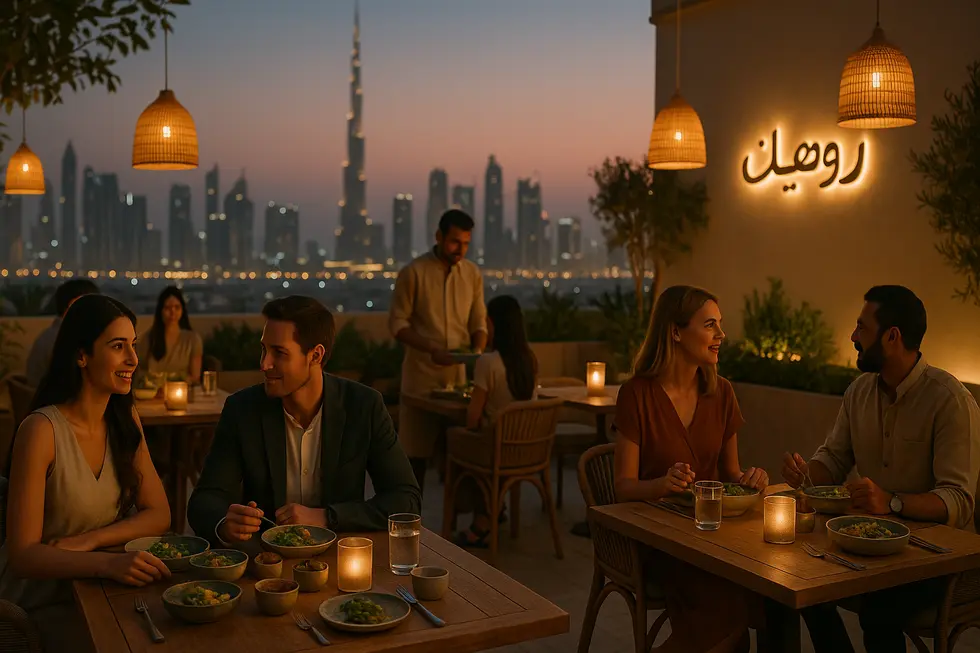
1. Designing Tech-Forward, Authentic F&B Experiences to Engage Dubai’s Discerning Guests
Technology and design now shape what Dubai guests expect from hotel F&B. Hotels that blend digital personalisation with locally rooted concepts create memorable narratives that drive footfall and loyalty. Begin with data-driven guest profiles; use seamless touchpoints to tailor menus, offers, and service timing without disrupting the table experience. Pair that orchestration with place-making: curate interiors, events and culinary collaborations that speak to community identity rather than generic chain signage. Sustainability must be baked into tech decisions—transparent sourcing platforms, low-waste kitchens and trackable packaging strengthen credibility with eco-conscious guests. Digital-first marketing amplifies these experiences, delivering measurable uplift in engagement and visits when content highlights authentic stories and sensory moments. Risks arise from superficial executions: over-badging, inconsistent service or tech that feels gimmicky will erode brand value. Strategically mix local anchors with selective international appeal, protect exclusivity through resident offers, and set KPIs tying tech investments to dwell time and revenue. For practical tactics on elevating hotel F&B branding, see this guide on Dubai hotels elevate F&B branding. External reference: https://www.gulfood.com/insights/years-top-trends-food-manufacturing
2. Monetizing Authentic F&B: Strategic Revenue Levers and Risk Management for Dubai Hotels
Treat F&B as a strategic revenue engine, not a cost center. Authentic, locally rooted concepts command premium pricing and extend guest stay and spend. They also increase footfall across mixed-use assets, lifting overall asset performance. Digital-first marketing drives agility and can boost repeat visits by up to 20% through social engagement. Leaders should rebalance F&B mixes toward local anchors, chef-led collaborations, and resident-exclusive offers to create scarcity and loyalty. Sustainability must be embedded across sourcing, packaging, and storytelling to meet guest expectations and protect margin. Avoid superficial partnerships and viral novelties; they erode equity and cause fatigue. Instead, use data to test pilots, refine menus, and measure dwell time and repeat visitation. Treat F&B metrics as core KPIs alongside room revenue and RevPAR. Operational alignment between asset owners and operators secures prime sites for high-performing concepts. When negotiation centers on long-term value, both rent rolls and guest loyalty improve. Adopt phased rollouts to limit financial risk and learn fast. For practical guidance on embedding F&B into loyalty programs see hotel F&B loyalty. Further context on local brand impact is available: https://www.cushwake.ae/en/thoughtleadership/beyond-global-chains-how-local-fb-brands-are-reshaping-dubais-retail-market
3. Shielding F&B Identity: Geopolitical and Societal Risks with Leadership Playbooks
Geopolitical shocks and societal shifts test the resilience of Dubai hotel F&B. Regional instability can disrupt tourism flows and critical supply chains. That uncertainty raises costs and limits access to key ingredients. Social dynamics accelerate demand for healthier, sustainable menus and transparent sourcing. Viral food fads and partnership overload risk short-lived traffic spikes, then consumer fatigue. Leadership must therefore convert vulnerability into strategic advantage. Invest in chef-led, locally anchored concepts to deepen cultural authenticity and reduce import reliance. Build flexible procurement networks and seasonal menus to absorb geopolitical shocks. Use data to tune offers across generations, avoiding gimmicks that erode trust. Prioritise meaningful sustainability measures that guests can see and feel. Strengthen brand governance to prevent partnership fatigue and ensure consistent storytelling. Embed loyalty programs that reward repeat experiences, not one-off virality (hotel F&B loyalty). By aligning operational agility with placemaking, hotel leaders future-proof F&B assets and capture Dubai’s rising tourism value. External reference: https://foodbusinessgulf.com/news/experts-outline-a-promising-future-for-the-gcc-hospitality-sector-as-the-uae-market-is-forecasted-to-exceed-us7-billion-by-2026/
Final thoughts
Redefining hotel F&B branding for Dubai's experience-driven guests is both strategic necessity and commercial opportunity. Local brands, chef residencies and resident-exclusive offers create authenticity and drive measurable footfall, while digital-first marketing and clear operational KPIs make these programs scalable for 4-star hotels. Leaders must pair creativity with governance: embed sustainability into contracts, set partnership criteria and track experiential KPIs to avoid short-termism and partnership fatigue. Ultimately, F&B should be treated as a lifestyle asset that connects guests, residents and the broader community — executed well, it enhances guest loyalty, grows non-room revenue and positions the hotel as a cultural hub in Dubai's competitive market. Let’s design a guest journey they’ll never forget – start the conversation now.
About us
Markus Mensch is a strategic marketing consultancy specializing in hospitality and F&B brands, with offices in Dubai and Germany. Since 2007, the company has supported over 1,000 businesses in increasing visibility, guest loyalty, and revenue – without relying on paid ads. With the proprietary OBC-Strategie®, Markus Mensch and his team provide structured, result-oriented solutions tailored to 4-star hotels and restaurants. The company combines marketing expertise, industry experience, and hands-on implementation to help clients achieve sustainable growth. Made in Germany – Built for Dubai

Markus Mensch
CEO
Transform Your Hospitality Business Today
Are you ready to boost your revenue and enhance guest loyalty? Let's get started!