

Designing Guest Experience Ecosystems: Strategic Playbook for Dubai’s 4-Star Hotel Restaurants
Elevate your Dubai hotel restaurant guest experience with AI personalization, cultural design, and sustainable operations to boost loyalty and revenue.
Customer Loyalty & Guest Experience
Designing Guest Experience Ecosystems: Strategic Playbook for Dubai’s 4-Star Hotel Restaurants — Technology, AI, and Personalization
1. Predictive Personalization and Cultural Privacy: AI, Consent and Multilingual Localization for Dubai Dining
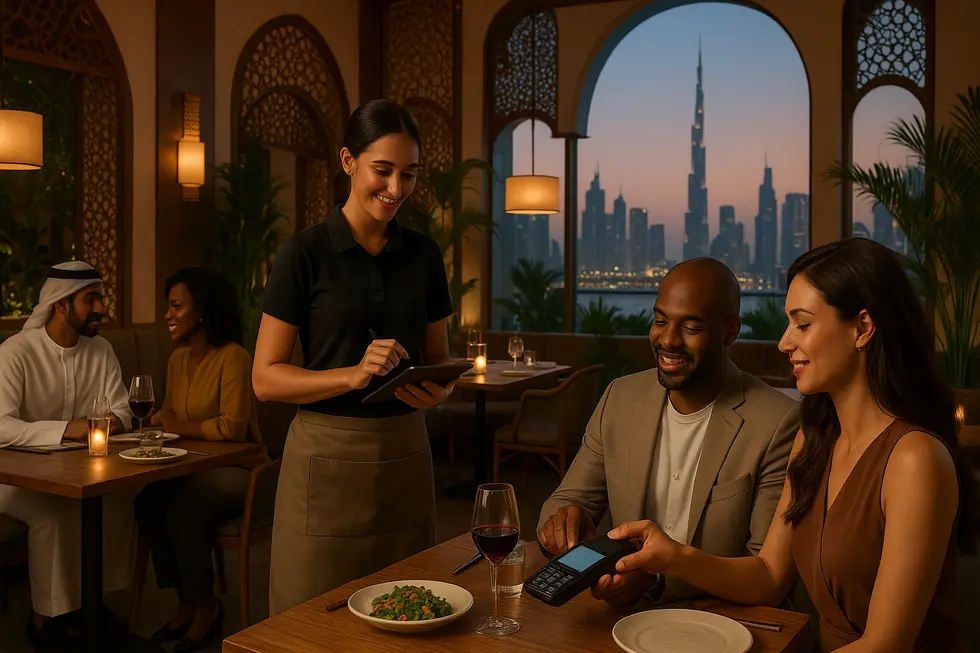
AI-driven personalization transforms dining in Dubai’s 4-star hotel restaurants by turning unified guest profiles into anticipatory service. Sophisticated models analyze past stays, dietary notes and loyalty signals to suggest menus, seating and local experiences before arrival. That intelligence must sit inside transparent privacy practices: explicit consent, minimal data retention and role-based access build trust across nationalities. Multilingual cultural localization ensures recommendations respect customs and language—localized menus, chatbots and staff interpreter tools adapt tone and content, not just words. Accessibility and WCAG-compliant interfaces extend inclusion with tactile signage and sensory-friendly zones. Technically, integration relies on AI-enabled CRM, secure tokenized payments and edge processing to reduce latency while protecting data. Operational pilots measure consent rates, predictive accuracy and uplift in covers, guiding phased roll-out. Training and clear privacy notices make AI feel like an invisible, respectful guide. Metrics also track repeat visits and measurable revenue growth. For implementation references see guest experience strategy. Detailed insights: https://www.markus-mensch.ae/blog/dubai-hotels-restaurant-guest-experience
2. Digital Foundations, Contactless Journeys and Immersive Dining: Tech and Economic Returns
A resilient digital backbone turns intent into exceptional dining moments. Centralized systems should link reservations, POS, CRM and analytics to reduce friction and surface timely, relevant offers without over-communication. Contactless touchpoints — QR menus, app ordering and secure digital wallets — streamline service and broaden accessibility when designed to WCAG and multilingual standards. Smart inventory and AI forecasting reduce waste and lower variable costs, while ESG signals embedded in digital touchpoints build trust. Immersive layers such as AR menus, projection mapping and adaptive lighting amplify atmosphere without replacing human warmth. Training staff to interpret insights and deliver culturally fluent gestures makes technology feel personal. Start with pilots that measure contactless adoption, spend per cover, waste reduction and NPS to prove ROI. These investments elevate average checks, cut errors and create supply-chain and employment multipliers across Dubai’s hospitality ecosystem. See practical implementation notes at Dubai hotels restaurant guest experience. External analysis: https://gulfbusiness.com/dubai-is-leveraging-tech-to-enhance-hospitality/
3. Green Intelligence and Human‑Tech Harmony: ESG, Economic and Social Strategy for Dubai 4‑Star Restaurant Ecosystems
Dubai’s 4-star hotel restaurants can fuse sustainability, ESG and human-technology synergy to create distinct guest ecosystems that build loyalty and cut costs. Deploy AI to forecast demand, reduce food waste and adjust energy loads, while preserving human-led moments that convey warmth and cultural fluency. Design interiors with smart lighting, acoustic control and biophilic elements to lower consumption and raise comfort. Train staff to use technology as an empathy amplifier, not a replacement, so personalization feels gracious and respectful. Pilot projects should measure ESG KPIs, contactless adoption and guest satisfaction to guide scalable investment. Economically, efficiencies reduce operating margins and free budget for culinary storytelling and community programs. Geopolitically, Dubai’s connectivity and investment climate reward visible sustainability leadership. Socially, partnering with local producers strengthens supply chains and guest narratives. For practical frameworks on guest experience strategy, see the guidance on Dubai hotels restaurant guest experience. External reference: https://www.hospitalitynet.org/news/4123843.html
Digital Foundations for Cultural Fluency, Design and Ambiance

1. Digital Foundations for Culturally Fluent Dining: Infrastructure That Enhances Design and Warmth
Technology should be an enabler of cultural storytelling and ambiance, not a distraction. Build a resilient digital backbone: unified POS, secure payment gateways, guest profile systems, and networked building controls. Ensure interfaces are multilingual, WCAG-compliant, and optimized for low-bandwidth visitors. Design digital flows that mirror physical hospitality—pre-arrival menus that ask dietary and cultural preferences, in-dining QR menus with chef notes and provenance stories, and discreet table controls for lighting and sound. Use real-time analytics to adapt seating, pacing, and staff deployment while protecting guest privacy. Train staff to read signals from both systems and guests, blending algorithmic suggestions with personal judgement. Pilot contactless journeys, measure adoption, and iterate to reduce friction. When tech, design, and cultural cues align, guests feel seen, comfortable, and delighted. See a practical framework in this piece on Dubai hotel restaurant guest experience. External design inspiration: https://www.euphoriainteriors.com/luxury-restaurant-interior-design-ideas-for-uae-elegance-in-2025/ Start with small pilots, scale what measurably improves loyalty.
2. Profit by Design: Economic Models and Operational Design for Culturally Fluent F&B Ecosystems
Balancing cultural authenticity, design intent and financial performance transforms restaurants into engines of loyalty and profit. Start by aligning spatial choices with revenue drivers: flexible seating, staged private dining and visually striking moments that increase covers and average spend. Operational design must reduce friction—streamlined service paths, modular kitchens, and integrated reservation-control to boost turnover without sacrificing warmth. Train teams in culturally fluent rituals that elevate perceived value and justify premium pricing. Use simple KPIs in pilots: covers per hour, revenue per cover, energy cost per seat and contactless adoption. Design investments should pay back through higher spend, social reach and repeat visits; prioritize durable finishes, energy-efficient systems and acoustics that lengthen dwell time. Pricing strategies work best when paired with narrative: menu stories, curated event nights and participation experiences that lift margin. For implementation guidance on on-site workflows see operational design in Dubai restaurants. Further interior inspiration is available here: https://www.euphoriainteriors.com/luxury-restaurant-interior-design-ideas-for-uae-elegance-in-2025/
3. Ambiance by Design: Geopolitical and Cultural Fluency That Shapes Service Rituals
Creating a memorable restaurant in Dubai requires merging geopolitical awareness, cultural fluency, and refined ambiance into a single experience. Start by embedding Emirati motifs and regional narratives subtly into materials, storytelling, and menu journeys so authenticity feels modern and elevated. Train teams in customs, respectful gestures and dietary sensitivities to turn routine service into meaningful ritual. Design choices—modern Arabic fusion, biophilic touches, flexible seating and acoustic zoning—must support both spectacle and privacy without feeling staged. Ambiance is multi-sensory: curated scent profiles, tailored soundscapes, warm tactile finishes and plated storytelling create emotional anchors. Attending to exclusivity and accessibility together widens appeal: private dining and sensory-friendly zones coexist through smart sightlines and clear wayfinding. Operators should monitor regional shifts and guest segments, using cultural insight to refresh seasonal offerings and events. For practical frameworks on cultural integration, see Dubai hotels restaurant guest experience. Further inspiration on interiors is available from external design resources. https://www.euphoriainteriors.com/luxury-restaurant-interior-design-ideas-for-uae-elegance-in-2025/
Operational Rigor and Sustainable Technology for Dubai’s 4-Star Hotel Restaurants
1. Operational Precision and Seamless Tech: Orchestrating Service, Sustainability and Profit
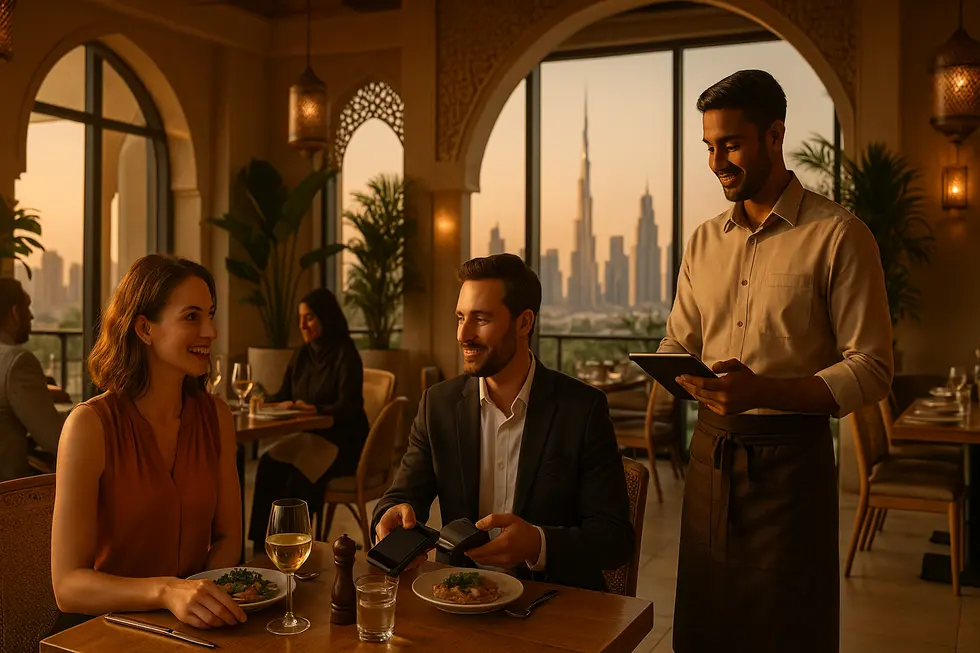
Operational precision in Dubai’s 4-star hotel restaurants ties efficiency, culture, and sustainability into a single guest-centered flow. Kitchens and front-of-house workflows must be mapped and optimized to reduce service time, control COGS, and improve RevPASH, while staff training embeds cultural fluency and empowerment. Technology must streamline without replacing human warmth: intuitive mobile ordering, CRM-driven personalization, and IoT-enabled kitchens cut errors and energy use, freeing teams to create memorable moments. Design and operations are one: layouts that shorten service paths, acoustic and lighting controls that adapt to covers, and biodegradable disposables where needed all drive cost and brand value. Data informs dynamic pricing, staffing, and menu engineering, turning insights into predictable outcomes. Starting with focused pilots and clear KPIs ensures scalable wins. For practical guidance on aligning operations with design, see the operational design for Dubai restaurants. External resource: ITC Infotech Automation Playbook Hospitality
2. Circular Supply Chains & Resource-Smart Operations: Building Sustainable F&B Systems for Dubai's 4-Star Hotels
Sustainable supply chains and resource efficiency are operational levers that shape memorable guest experiences and protect margins. For Dubai's 4-star hotel restaurants, this means connecting procurement, kitchen operations, and guest communications into a single circular system that reduces waste and elevates perceived value. Prioritize local sourcing and seasonal menus to shorten transport, cut emissions, and support regional producers while telling a compelling provenance story guests value. Embed waste-reduction targets into covers-based KPIs, deploy kitchen-level composting and anaerobic options, and route byproducts into hotel landscaping or local farms. Use energy and water meters per outlet, paired with staff training, to convert data into behavioral change. Pilot initiatives on targeted outlets, measure adoption, guest sentiment, and cost impacts, then scale high-ROI practices. Communicate initiatives through menu cues and service rituals to reinforce guest participation. For operational playbooks and deeper frameworks, review Dubai hotel restaurant guest experience. External resource: https://hospitalityinsights.ehl.edu/moving-hospitality-forward-with-sustainable-supply-and-value-chains
3. Positioning, Pricing and Partnerships: Revenue and Stakeholder Strategy for Dubai 4-Star Hotel Restaurants
Market clarity and a rigorous revenue playbook anchor 4-star hotel restaurants in Dubai's crowded dining market. For implementation models see guest-experience-strategy-dubai. Positioning must fuse distinctive culinary identity, localized storytelling and service rituals that resonate with segmented guests: business travelers, families and food seekers. Pricing and inventory follow dynamic, data-driven rules that optimize covers and average check while protecting perceived value; track RevPAR, ADR and channel profitability. Stakeholder strategy aligns chefs, front-line teams, suppliers and local communities around KPIs such as waste reduction, seasonal sourcing and repeat-diner rate, turning sustainability into loyalty. Pilots test menu mixes, flexible pricing and local partnerships, capturing contactless adoption, preference profiles and NPS. Successful pilots scale via staff training, targeted marketing and supplier agreements that secure margin and traceability. This unified approach makes F&B a measurable revenue engine and a strategic hotel asset. For revenue frameworks see: Hospitality Revenue Management Concepts and Practices.
Final thoughts
Designing a guest experience ecosystem for Dubai’s 4-star hotel restaurants requires a deliberate blend of technology, cultural fluency, design excellence, and operational discipline. Start small with focused pilots that pair AI-driven personalization with culturally informed service rituals and sustainable design choices. Measure the right KPIs, train staff to interpret and act on insights, and document what works in a repeatable playbook. When technology reduces friction and design amplifies authenticity, your F&B outlets become strategic loyalty drivers that increase occupancy, revenue per cover, and brand reputation across Dubai’s international guest base. The final takeaway: treat guest experience as an integrated system, not isolated projects, and you will unlock measurable gains in loyalty and profit. Let's design a guest journey they'll never forget - start the conversation now.
About us
Markus Mensch is a strategic marketing consultancy specializing in hospitality and F&B brands, with offices in Dubai and Germany. Since 2007, the company has supported over 1,000 businesses in increasing visibility, guest loyalty, and revenue - without relying on paid ads. With the proprietary OBC-Strategie®, Markus Mensch and his team provide structured, result-oriented solutions tailored to 4-star hotels and restaurants. The company combines marketing expertise, industry experience, and hands-on implementation to help clients achieve sustainable growth. Made in Germany - Built for Dubai.

Markus Mensch
CEO
Transform Your Hospitality Business Today
Are you ready to boost your revenue and enhance guest loyalty? Let's get started!