

Thought Leadership: How Boutique F&B Branding Can Elevate 4-Star Hotels in Dubai
Elevate guest experience with boutique F&B branding in Dubai by designing signature dining that reinforces your hotel's identity.
Hotel Branding & Positioning
Seamless Tech and Experience Design: Crafting Memorable Boutique F&B Journeys in Dubai 4-Star Hotels
1. Designing Emotional Dining: Technology, Storytelling and Spatial Experience for Boutique F&B
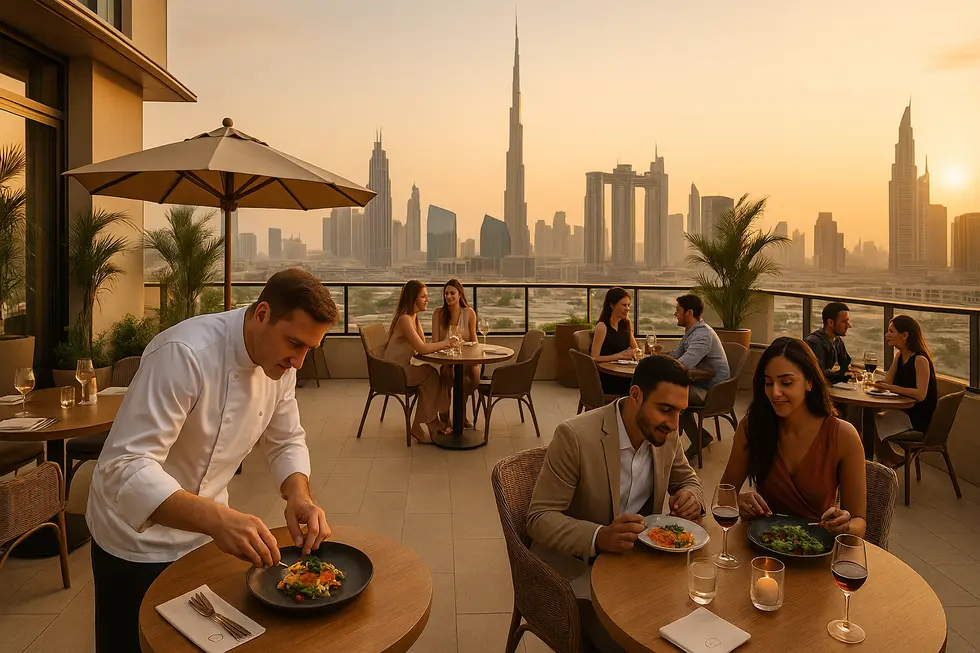
Boutique F&B becomes memorable when technology and design operate as one. For 4-star hotels in Dubai, the aim is to translate brand narrative into dining moments that feel curated and effortless. Digital menus and mobile ordering reduce friction while AI-driven recommendations tailor options to guest tastes. AR and VR can animate ingredient stories or preview tasting menus, deepening engagement without disrupting service. Equally important is spatial and sensory design: lighting, acoustics and furniture scale must support intimacy and fluid movement. Interactive stations such as chef’s tables or pop-up counters turn passive meals into participatory rituals that encourage social sharing. A unified app experience that links loyalty, feedback and reservations closes the loop, enabling rapid refinement of concepts and targeted offers. Staff training and backend integration ensure technology augments hospitality rather than replacing it. When every touchpoint reflects a single curated vision, 4-star hotels gain stronger guest advocacy and repeat visits. For practical ideas on aligning hotel operations and guest-facing design consult Dubai hotels elevate F&B branding. Examples of successful boutique hotel concepts can be explored at https://www.designhotels.com/hotels/united-arab-emirates/dubai/
2. Profit, Positioning and Practicalities: Boutique F&B’s Economic, Competitive and Operational Impact on 4-Star Dubai Hotels
Boutique F&B branding transforms dining from a cost center into a strategic revenue driver for 4-star hotels in Dubai. By curating chef-led menus, locally inspired narratives, and intimate settings, hotels capture higher cover spends and attract local diners beyond room guests. This diversification reduces dependence on occupancy and justifies rate premiums through added value. Niche concepts—sustainability-focused menus, regional specialties, immersive pop-ups—create clear competitive differentiation and invite partnerships with artisans and suppliers that amplify authenticity.
Operationally, boutique F&B shifts kitchens and teams toward agility and creativity. Investing in talent and flexible prep systems raises complexity but boosts staff engagement and retention. Cross-departmental collaboration between F&B, marketing and guest services amplifies promotions and personalises guest journeys, turning dining interactions into loyalty drivers. Measurement matters: track incremental spend, repeat covers and social referral metrics to validate returns and refine concepts.
Adopting boutique F&B aligns 4-star hotels with experiential expectations common in Dubai's luxury scene and positions them to compete on experience rather than star category. For insights on elevating F&B branding, see Dubai hotels elevate F&B branding.
External reference: https://www.myboutiquehotel.com/en/boutique-hotels-dubai/
3. Cultural Currents and Geopolitical Readiness: Shaping Boutique F&B for Dubai's 4-Star Hotels
In Dubai's cosmopolitan hospitality scene, boutique F&B branding must respond to geopolitical, cultural, and societal currents to succeed. Operators design menus that respect local norms while inviting global flavors. Dietary laws, prayer times and gendered spaces influence service flow and seating plans. Language and staff cultural competence create comfort for diverse guests. Societal trends such as wellness, sustainability and provenance shape procurement. Sourcing local produce and forging partnerships with Emirati suppliers strengthens authenticity and reduces supply risk. Economic policy, visa regimes and broader geopolitical shifts affect tourist mix and seasonality; hotels must be agile with pricing, promotions and menu engineering to match demand. Thoughtful storytelling in menus and interiors bridges heritage and modernity, creating emotional resonance for both residents and visitors. Training front-of-house teams to navigate cultural nuances improves guest loyalty. Finally, embedding community engagement and visible sustainability signals enhances brand credibility and revenue diversification through local patronage. For practical frameworks on guest experience alignment, see guest experience strategy Dubai. External reference: https://www.thefirstcollection.ae Monitoring regional trends and flexible event programming keeps offerings relevant and resilient over time strategically.
Thought Leadership: How Boutique F&B Branding Can Elevate 4-Star Hotels in Dubai — Strengthening Brand Identity and Market Differentiation
1. Digital Flavor: How Technology Amplifies Boutique F&B to Strengthen Brand Identity
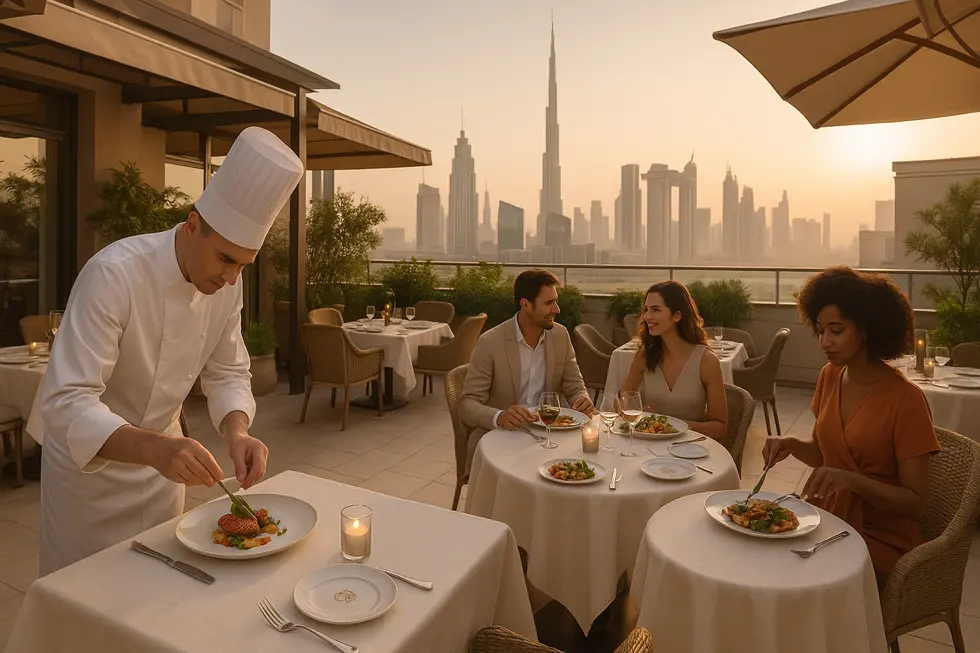
Digital tools amplify boutique F&B storytelling while sharpening a hotel's identity. Integrating AI-driven menu recommendations, data analytics, and contactless ordering creates a seamless, personalised dining flow that aligns service with guest preferences. Augmented reality can reveal a dish's provenance, connecting patrons to local artisans and cultural narratives. These interactions build emotional recall and make dining a brand touchpoint, not just a meal.
Technology also streamlines operations, reducing friction and freeing staff to deliver the bespoke hospitality central to boutique branding. Social media integration and immersive content turn ephemeral moments into shareable brand assets, widening reach among discerning visitors. Equally important, tech supports sustainability goals: waste-tracking systems and smart procurement reinforce authentic brand promises.
When tech is used thoughtfully, it enhances exclusivity without replacing human warmth. Boutique F&B becomes a living expression of the hotel’s values and personality. For practical strategies on tailoring guest experiences through data and personalisation, explore hyper-personalisation in Dubai restaurants: https://www.markus-mensch.ae/blog/hyper-personalisation-dubai-restaurants
Further reading: https://www.thefirstcollection.ae
2. From Plate to Profit: How Boutique F&B Drives Revenue and Market Differentiation in 4-Star Dubai Hotels
Boutique F&B becomes a strategic revenue engine when culinary identity aligns with hotel positioning. By treating dining as a brand expression rather than a cost center, properties unlock multiple monetization paths: premium pricing for curated dining, bespoke beverage programs, private-event revenue, and higher ancillary spend as guests extend stays. These income streams compound when design, narrative and neighborhood fit create social magnetism that attracts locals and visitors alike. Operationally, focused menus and specialist teams boost labor productivity while curated sourcing supports margin expansion. Over time, strong culinary narratives build guest loyalty and lifetime value, reducing sensitivity to rate competition and enabling room-rate premiums. This approach also segments the 4-star market, allowing properties to claim a lifestyle-luxury niche without matching ultra-luxury prices. The competitive moat grows from talent retention, authentic supplier ties, and community integration that are hard to copy. For a practical playbook on elevating F&B branding in Dubai hotels, see this discussion on Dubai hotels elevate F&B branding.
Further reference: https://www.fairmont.com/en/hotels/dubai/fairmont-the-palm.html
3. Cultural Compass: Societal and Geopolitical Threads Shaping Boutique F&B Identity in Dubai
Cultural Compass: Societal and Geopolitical Threads Shaping Boutique F&B Identity in Dubai
Boutique F&B branding must read the social and geopolitical map of Dubai to build authentic hotel identity. Thoughtful menus, locally sourced ingredients, and curated storytelling connect guests to place. These choices signal respect for Emirati traditions while welcoming global tastes. Inclusive service design accommodates dietary laws, diverse preferences, and cross-cultural etiquette. Partnering with regional chefs and artisans embeds community support and local supply chains into the brand narrative, reinforcing sustainability and economic impact.
Sensitivity to geopolitics matters in tone and partnerships. Neutral, culturally aware programming avoids alienation and invites broader participation. Small, themed events and collaborations foster cultural exchange without appropriation. When hospitality leaders center provenance, transparency, and social contribution, boutique F&B becomes a platform for civic engagement and reputation building. This strategic approach differentiates four-star hotels, elevates perceived value, and creates memorable, meaningful dining experiences that resonate with both residents and international visitors. For practical insights on elevating hotel food and beverage branding, see Dubai hotels elevate F&B branding.
https://www.designhotels.com/hotels/united-arab-emirates/dubai/
Thought Leadership: How Boutique F&B Branding Can Elevate 4-Star Hotels in Dubai — Revenue Growth, Community Engagement, and Competitive Positioning
1. Tech-Forward Boutique F&B: Digital Guest Journeys, Menu Intelligence and Sustainable Kitchens
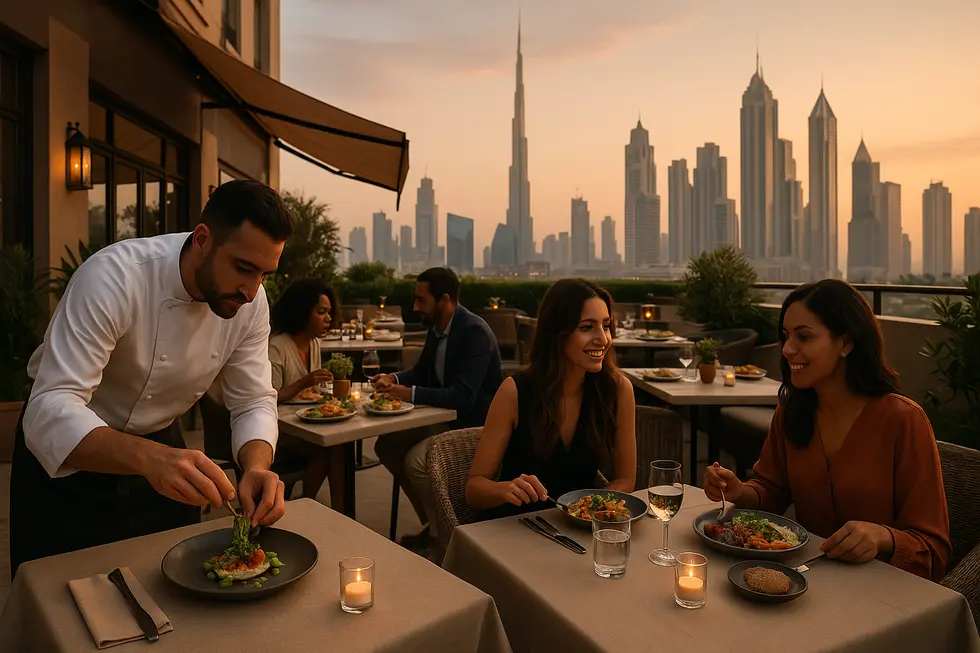
Adopting technology and operational innovation lets boutique F&B become a strategic revenue engine for 4-star hotels in Dubai. Combining a seamless digital guest experience with analytics-led menu design and low-footprint kitchens delivers higher covers. Mobile ordering, contactless payment and personalized digital menus reduce friction and raise average checks. They also enable real-time feedback for service recovery. Analytics track dish popularity, ingredient cost and prep time, enabling data-driven menu engineering that increases profitable items and cuts waste. Sustainable kitchen technologies—energy-efficient appliances, waste-to-compost systems and smart inventory controls—lower operating costs while supporting community-minded branding. These integrated practices attract local patrons and build loyalty through consistent experiences and visible sustainability commitments. Operational alignment between F&B and hotel teams ensures capacity planning and marketing sync, protecting margins during peak demand. For practical operational frameworks, see operational design for Dubai restaurants. Personalized offers push higher-margin dishes to segmented guests. Inventory forecasting reduces overbuying and protects margins. Visible sustainability efforts create social media moments and local press interest. Together, these tactics transform boutique F&B into a measurable competitive asset. Metrics tie guest satisfaction to profit and inform investment choices. https://www.myboutiquehotel.com/en/boutique-hotels-dubai/
2. Monetizing Character: Dynamic Pricing, Ancillary Revenue and Partnerships for Boutique F&B in Dubai
Boutique F&B branding turns culinary identity into measurable revenue. By pairing distinctive concepts with dynamic pricing, hotels can price by time, demand, and event. Time-based menus, weekday promotions, and event-driven pop-ups capture yield without eroding brand prestige. Ancillary revenue adds depth: private dining, chef tables, culinary classes, branded retail, and subscription dining memberships increase spend per guest. Partnerships with local producers and cultural organisations reduce costs and amplify authenticity. Collaborations with influencers and tourism partners expand reach and drive walk-in traffic from residents. Market positioning matters. Tell a clear story and target niche segments. Use social ads and loyalty incentives to convert awareness into bookings. Operational alignment is essential; inventory systems, flexible staffing, and a pricing governance model prevent margin leakage. Measurement ties strategy to outcomes; track F&B RevPAR, cover ratios, and per-customer lifetime value. This integrated economic approach turns boutique F&B into a revenue engine and a community magnet. It becomes a strategic differentiator for 4-star hotels seeking sustainable growth. See further industry thinking at Dubai hotels elevate F&B branding.
External resource: https://www.editionhotels.com/dubai/
3. Societal, Cultural and Geopolitical Dynamics: Localisation, Community Engagement and Regulatory Savvy for Boutique F&B
Boutique F&B thrives when culinary identity becomes social capital. In 4-star hotels, carefully localised menus and community partnerships increase day-to-day covers and ancillary spend. Designing dishes that respect dietary norms, offering multilingual service, and sourcing seasonal local produce turn food outlets into trusted neighbourhood destinations. This approach builds steady local demand and higher guest retention without competing on price alone.
Regulatory compliance is not a constraint but a design parameter. Embedding food-safety practices, licensing processes, and cultural sensitivities into concept development reduces risk and accelerates approvals. Brand diplomacy emerges when F&B programs intentionally bridge cultures: themed events, chef residencies, and community-led tastings create moments of cross-cultural exchange. Those moments strengthen reputation and invite press and social amplification.
Operationally, investing in supplier relationships and community training programs yields measurable returns. Hotels that position dining as a civic asset unlock repeat visits, local word-of-mouth, and resilient revenue streams. For practical guidance on integrating F&B branding with hotel strategy, see the piece on Dubai hotels elevate F&B branding.
Further context on boutique hotel dining in Dubai is available at https://www.myboutiquehotel.com/en/boutique-hotels-dubai/.
Final thoughts
Boutique F&B branding is a strategic lever that 4-star hotels in Dubai can use to differentiate their offerings, elevate guest satisfaction, and grow revenue. By designing narrative-driven dining experiences, aligning every outlet with a clear brand role, and activating community partnerships and yield-focused commercial tactics, hotels create memorable destinations that appeal to both guests and locals. Implement the practical steps in this article — from guest journey audits to signature experiences and measurable KPIs — and you will see F&B shift from a cost center to a core brand and revenue driver. The final takeaway is simple: treat F&B as a branded experience, not a commodity, and your hotel will compete on value, not just price. Let’s turn your menu into your best salesperson – contact us today.
About us
Markus Mensch is a strategic marketing consultancy specialising in hospitality and F&B brands, with offices in Dubai and Germany. Since 2007, the company has supported over 1,000 businesses in increasing visibility, guest loyalty, and revenue – without relying on paid ads. With the proprietary OBC-Strategie®, Markus Mensch and his team provide structured, result-oriented solutions tailored to 4-star hotels and restaurants. The company combines marketing expertise, industry experience, and hands-on implementation to help clients achieve sustainable growth. Made in Germany – Built for Dubai

Markus Mensch
CEO
Transform Your Hospitality Business Today
Are you ready to boost your revenue and enhance guest loyalty? Let's get started!